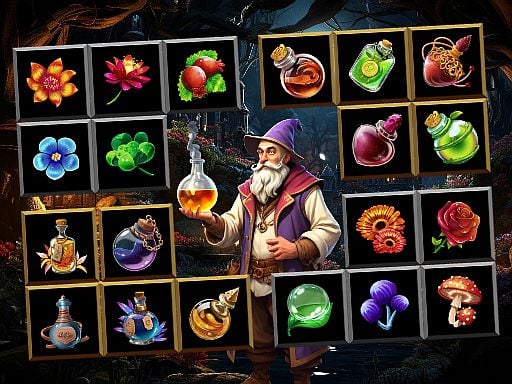
1010 Elixir Alchemy
Popular Games
Last Played
At its core, Unity3D combines a powerful editor with a component-based architecture that makes it easier to organize complex projects. Developers can assemble scenes by placing objects, attaching behaviors, and adjusting properties through a visual interface, while also extending functionality with code. This balance between visual creation and scripting helps teams move quickly from prototype to polished product. Unity3D supports C# as its primary scripting language, enabling precise control over gameplay logic, user interfaces, physics interactions, animation, and more.
One of the main reasons Unity3D remains popular is its wide platform support. Projects can often be deployed to desktop computers, mobile phones, consoles, web platforms, and immersive devices with fewer changes than would be required in a more specialized engine. This cross-platform capability is especially valuable for teams that want to reach broad audiences without rebuilding the same experience multiple times. For mobile developers, Unity3D offers tools for optimizing performance, managing memory, and adapting to different screen sizes and hardware capabilities.
The engine also includes many built-in systems that help speed up production. These cover rendering, physics, audio, animation, navigation, asset importing, and lighting workflows. Unity’s Asset Store expands this further by offering ready-made models, scripts, plugins, shaders, and full toolkits that can reduce development time. For many creators, this ecosystem is a major advantage because it allows projects to scale more efficiently and gives access to community-driven solutions for common problems.
Unity3D is also well suited for teams working on interactive experiences beyond traditional games. Educational software, product demos, medical simulations, automotive visualizations, and interactive installations can all benefit from its real-time rendering and input handling. The engine’s versatility makes it useful in industries where visual clarity, user interaction, and rapid iteration are important. Developers can build polished experiences that respond immediately to user actions, making the platform a practical choice for immersive content.
In recent years, Unity3D has continued to evolve with improved graphics capabilities, tooling for collaboration, and support for modern development workflows. It remains a strong option for creators who need a mature engine with a large community, extensive documentation, and a broad range of deployment targets. Whether the goal is a small indie game or a large interactive application, Unity3D provides the foundation needed to turn ideas into functional, engaging experiences.
. Tagged Unity3D Games