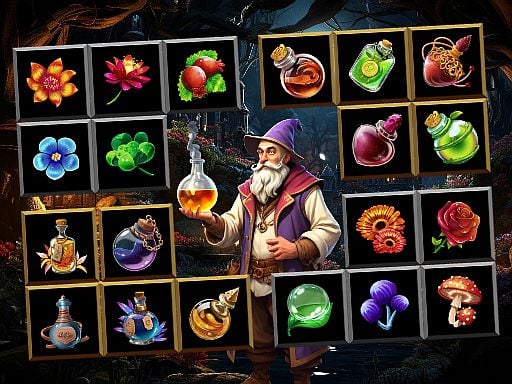
1010 Elixir Alchemy
Popular Games
Last Played
The origins of sumo stretch back more than a thousand years, with ties to Shinto ceremonies and agricultural festivals. In its earliest forms, sumo was not only a sport but also a prayer for good harvests and divine favor. This spiritual foundation still shapes the modern sport. Before each bout, wrestlers perform symbolic gestures such as stomping to drive away evil spirits and throwing salt to purify the ring. These rituals give sumo a distinctive atmosphere that sets it apart from most other competitive sports.
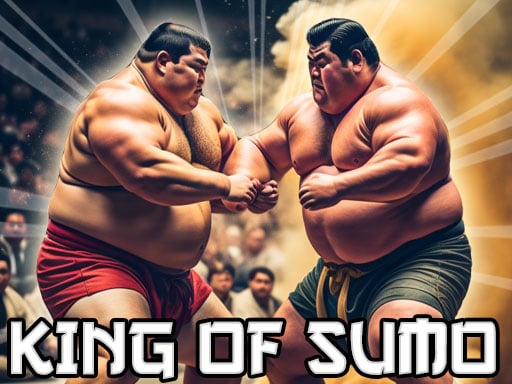
Physically, sumo demands much more than size alone. While many rikishi are famously large and heavy, success depends on explosive strength, low center of gravity, timing, technique, and mental discipline. Matches can end in a split second, especially when a wrestler launches with perfect balance or executes a well-timed throw, shove, or sidestep. The sport includes a wide variety of winning techniques, known as kimarite, which reward skill and tactical awareness rather than raw force alone. A smaller wrestler with superior speed and leverage can overcome a larger opponent through technique and precision.
Training in sumo is famously rigorous. Wrestlers live and train in communal training houses called heya, where daily life is organized around strict hierarchy and discipline. Juniors serve seniors, and every aspect of life, from training to meals to conduct, follows established customs. Morning practice is intense, involving repeated drills, sparring, and conditioning exercises designed to build endurance and resilience. The traditional diet, especially the protein-rich hot pot dish chanko nabe, helps wrestlers maintain their mass while supporting recovery and strength.
Sumo tournaments, or basho, are held several times a year and draw large audiences in Japan and abroad. Each tournament spans fifteen days, with wrestlers competing in daily matches to build records that determine rank advancement or decline. Rankings are central to the sport, and climbing the hierarchy is a major achievement. The highest rank, yokozuna, carries special prestige and expectation. A yokozuna is not simply a champion in the competitive sense but a symbol of dignity, consistency, and exemplary conduct.
What makes sumo compelling is its combination of spectacle and restraint. The contests are brief, but the buildup is ceremonial and charged with anticipation. Every movement has meaning, from the stare-down before the charge to the final balance-breaking push. Sumo is a sport where tradition remains alive in every match, and where the weight of history is felt as strongly as the physical impact of the wrestlers themselves. It continues to endure because it offers something rare: a competition that is both brutally immediate and profoundly cultural.
. Tagged Sumo Games