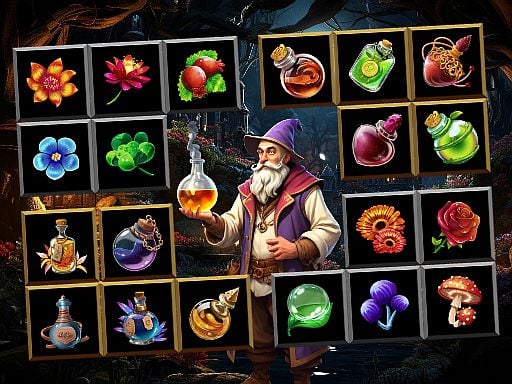
1010 Elixir Alchemy
Popular Games
Last Played
One of the defining strengths of an RPG is progression. Players usually begin with modest abilities and gradually become more capable through experience, skill points, gear upgrades, and narrative milestones. This steady sense of growth gives every battle, quest, and conversation greater meaning. A weak character at the start can become a legendary hero, a feared mercenary, a master mage, or a strategic leader depending on how the game is built and how the player chooses to develop their avatar.
Storytelling is another foundation of the RPG experience. Many RPGs are known for layered plots, memorable companions, faction conflicts, moral dilemmas, and branching outcomes. Choices often carry consequences, shaping not only the immediate scene but also the wider direction of the adventure. This gives the genre a strong sense of agency. Instead of simply completing objectives, players are often asked to decide who to trust, which path to take, and what kind of person their character should become in the world.
RPGs also stand out for their world-building. These games often feature detailed environments filled with lore, cultures, factions, hidden locations, and side quests that expand the universe beyond the main storyline. Exploring a good RPG world can feel rewarding in itself, because every village, ruin, dungeon, and city may contain useful items, secrets, or story fragments. The best RPG worlds feel alive, with histories and systems that make them believable and worth revisiting.
Combat and strategy can vary widely across the genre, which is part of what makes RPGs so flexible. Some focus on turn-based planning, where careful use of skills and resources is essential. Others use real-time action, demanding timing, positioning, and quick decisions. Many modern RPGs blend several systems together, combining tactical depth with fast-paced encounters. Outside combat, players often manage inventories, craft items, learn abilities, recruit allies, and make choices that affect both power and personality.
The genre continues to evolve because it supports many styles of play. Some RPGs emphasize epic single-player campaigns, while others focus on online cooperation, competitive progression, or large persistent worlds. There are also hybrid designs that mix RPG mechanics into action games, strategy titles, and open-world adventures. This flexibility has helped RPGs remain one of the most influential and popular forms of interactive entertainment.
Ultimately, RPGs succeed because they give players ownership. They let people build a character, chase goals, and watch their choices matter over time. That combination of progression, story, exploration, and customization gives the genre lasting power. For many players, an RPG is more than a game type; it is a way to experience a world through identity, agency, and discovery.
. Tagged RPG Games