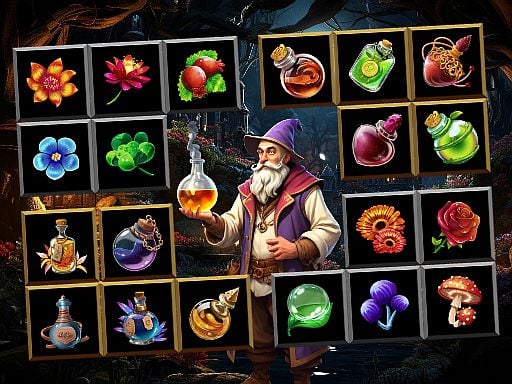
1010 Elixir Alchemy
Popular Games
Last Played
What makes retro so appealing is its balance between simplicity and character. Older designs often relied on clear silhouettes, limited color palettes, and practical layouts, yet they still managed to feel expressive and distinctive. That quality continues to influence fashion, music, interior design, video games, and branding today. A retro-inspired piece can instantly evoke an era without needing explanation. It may recall the playful energy of the 1980s, the sleek optimism of mid-century modern design, or the bright and carefree spirit of the 1970s. Each decade offers its own visual rhythm, and retro thrives on those recognizable details.
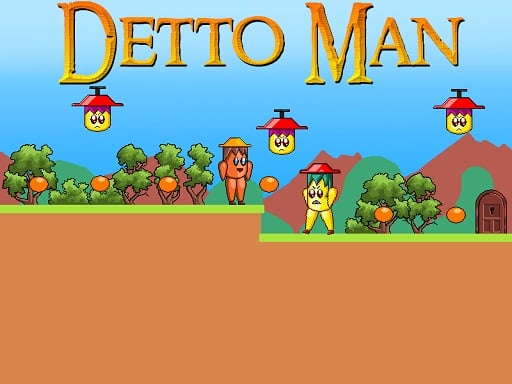
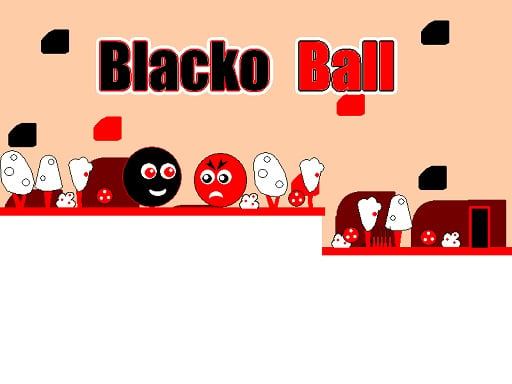
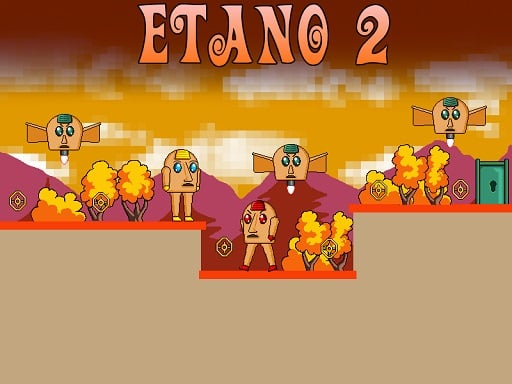
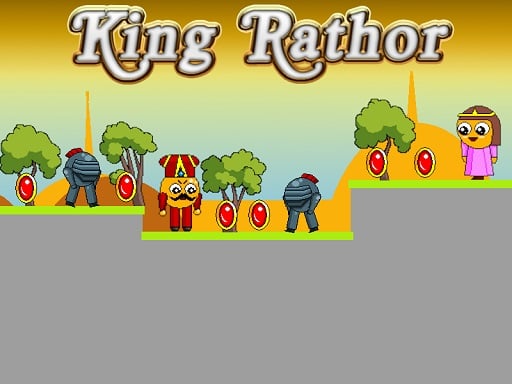
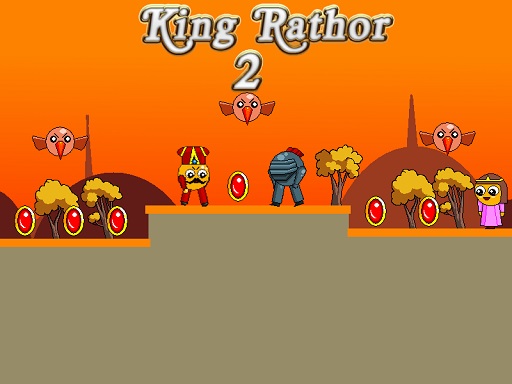
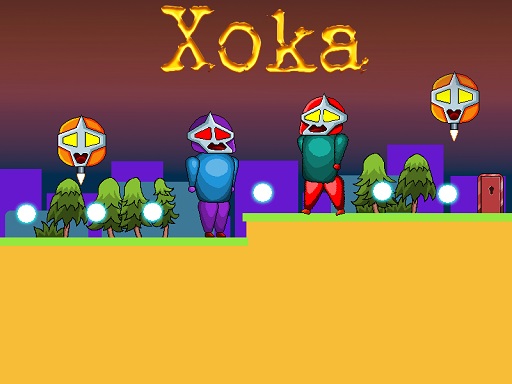
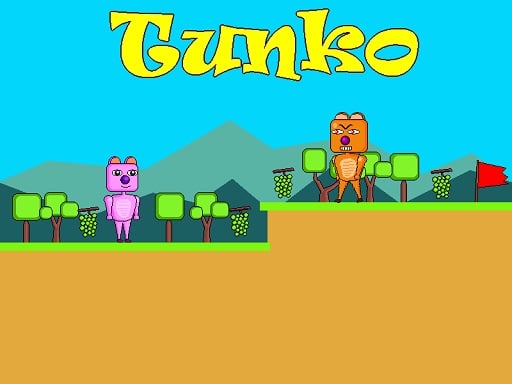
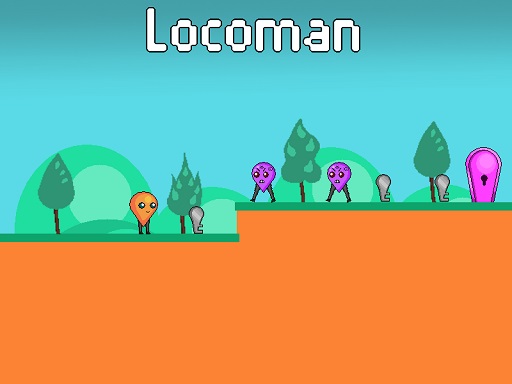
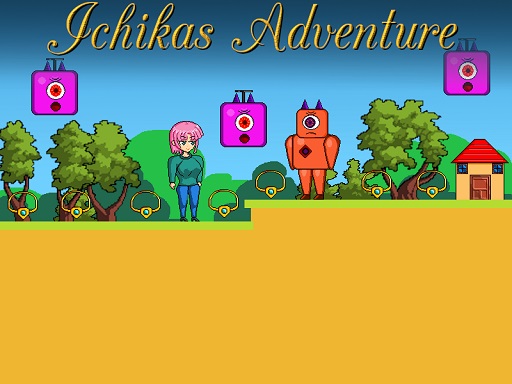
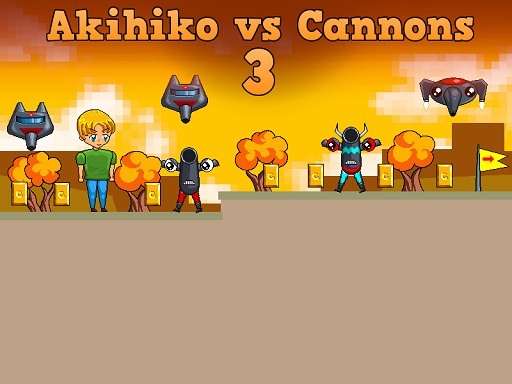
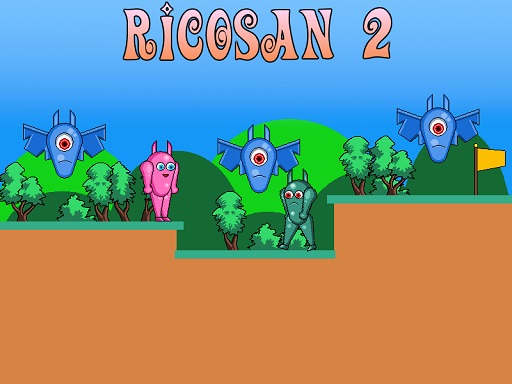
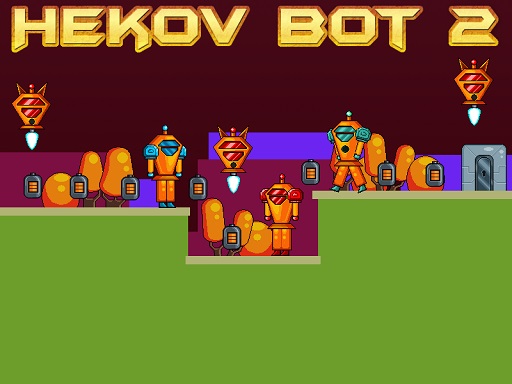
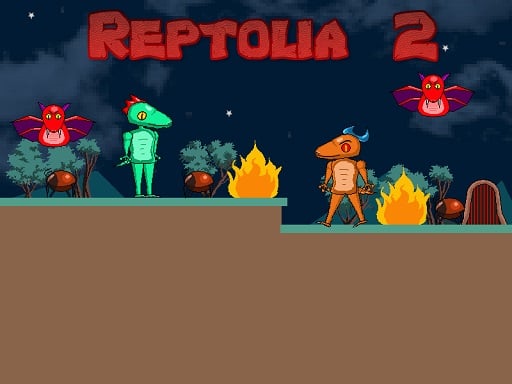
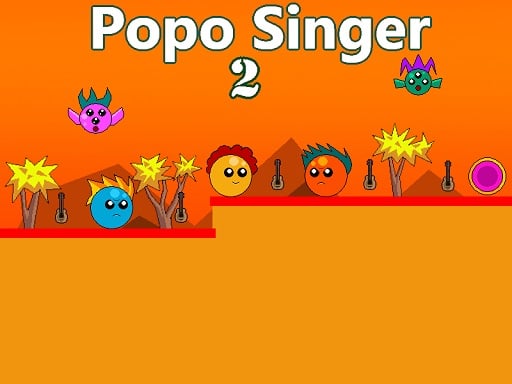
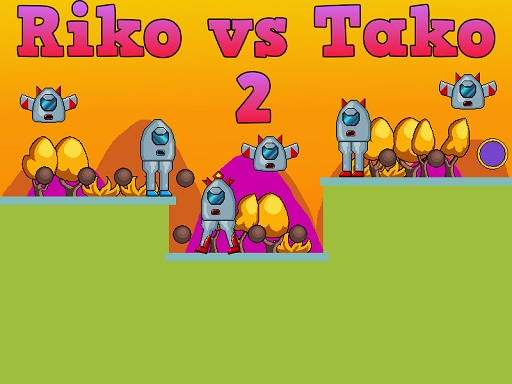
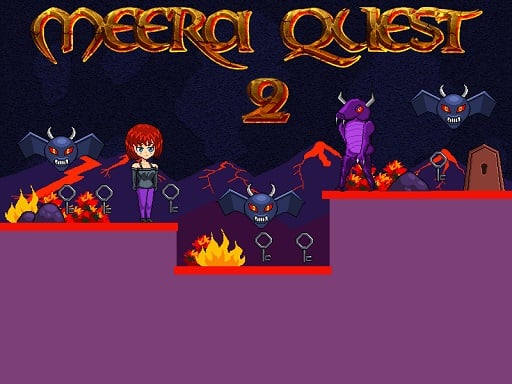
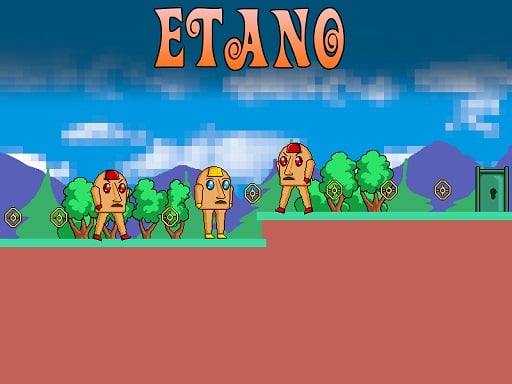
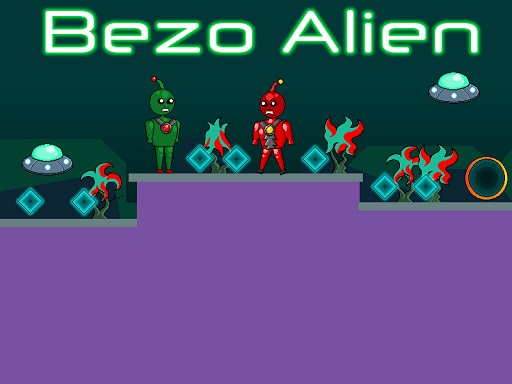
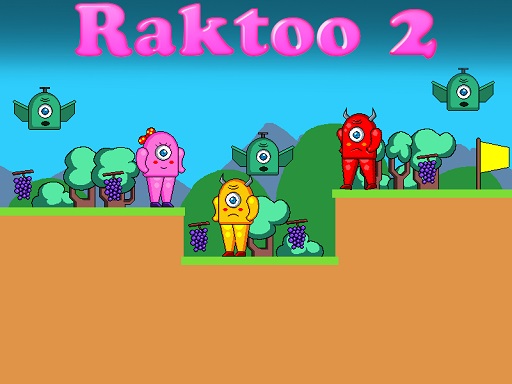
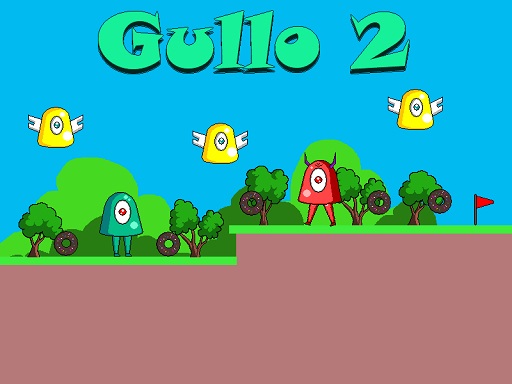
In digital spaces, retro aesthetics have gained even more attention because they offer a refreshing contrast to polished minimalism. Pixel art, scan lines, CRT effects, neon gradients, and chunky typography can turn a simple interface into something memorable. Games especially benefit from retro influence, as the style naturally supports strong silhouettes, readable visuals, and straightforward feedback. Many players associate retro games with creativity and challenge, since older hardware demanded smart design decisions. Limited resources often produced surprisingly inventive results, and that sense of ingenuity still inspires developers and artists who want to capture a timeless look.
Retro also has emotional weight. It connects people to childhood experiences, family traditions, and cultural moments that shaped their sense of taste. A record player, an arcade cabinet, a cassette tape, or a vintage poster can trigger memories that are deeply personal, even for people who did not live through the original era. This emotional pull is one reason retro remains relevant instead of fading into novelty. It speaks to the human desire to revisit familiar forms and rediscover meaning in things that once felt ordinary. Nostalgia is part of the appeal, but so is appreciation for craftsmanship, identity, and atmosphere.
Today, retro continues to evolve because it is flexible rather than fixed. It can be playful or elegant, loud or subtle, authentic or reimagined. Designers use it to create warmth, personality, and a sense of history without sacrificing modern functionality. Whether it appears in clothing, posters, music production, home decor, or interactive media, retro keeps proving that the past still has something useful to say. Its enduring power comes from the way it transforms memory into style, and style into experience. Retro is not just about looking backward; it is about bringing the best of earlier eras into the present with intention and character.
. Tagged Retro Games