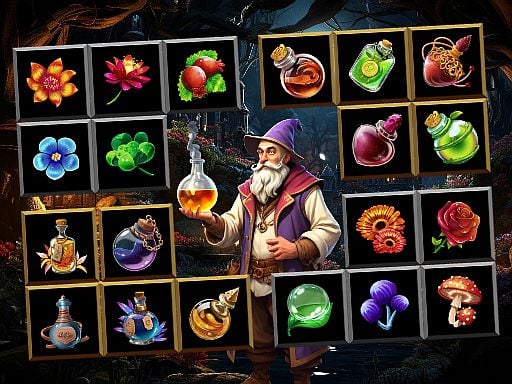
1010 Elixir Alchemy
Popular Games
Last Played
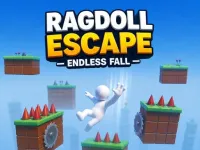
At the core of a ragdoll game is physics. Instead of characters moving with clean, precise animation, every limb responds with weight, delay, and momentum. A jump may become a flop. A landing may turn into a roll. A collision can send the character spinning in an unexpected direction. This creates a play style that feels dynamic and funny because the game never behaves exactly the same way twice. Even when the player knows the mechanics well, small differences in force, angle, and timing can produce completely different results.
That unpredictability is what makes ragdoll experiences so replayable. Players often return not just to complete objectives, but to see what strange or amusing sequence of events the physics engine will generate next. The fun is not always in winning quickly or cleanly. It can come from trying to survive awkward movement, mastering a difficult setup, or deliberately causing the most dramatic collapse possible. In this way, ragdoll games often reward both skill and experimentation, giving players space to approach challenges seriously or treat them as a sandbox for mayhem.
Ragdoll games can take many forms. Some are obstacle runners where the player must guide a floppy body through traps, ramps, moving platforms, and hazards. Others are fighting games, where each impact sends characters into exaggerated, comic reactions. Some are puzzle games, where physics itself becomes the challenge and success depends on using momentum, balance, and timing to reach the goal. The flexibility of the concept means it can fit casual mobile play, browser games, and more elaborate action titles equally well.
Visually, ragdoll games often benefit from clear animations, readable environments, and bold reactions. Because the movement is intentionally unstable, the surrounding level design needs to communicate danger and opportunity at a glance. Players should be able to understand where they are likely to fall, bounce, slide, or crash. Good ragdoll design balances absurdity with clarity, so the humor never gets in the way of the play experience. When done well, every stumble feels intentional even when the result is completely chaotic.
Ultimately, a ragdoll game is about controlled disorder. It gives players a simple premise, then lets physics turn that premise into comedy, challenge, and replay value. The best versions of the idea create moments that are unexpected but still understandable, where each fall, flip, and crash feels like part of the game’s personality. That is why ragdoll remains such a durable and entertaining game style: it turns failure into spectacle and movement into a source of constant surprise.
. Tagged Ragdoll Games