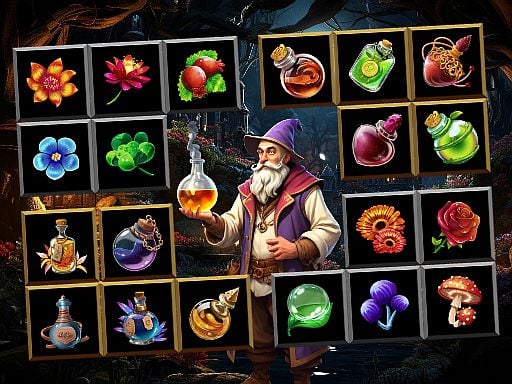
1010 Elixir Alchemy
Popular Games
Last Played
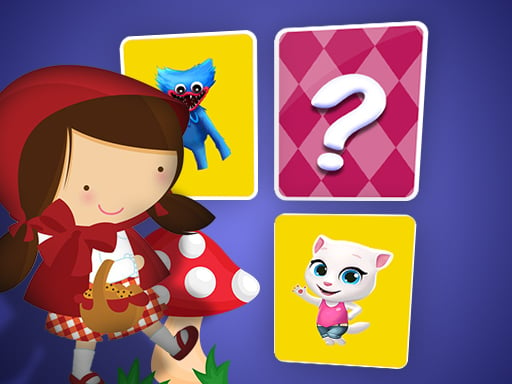
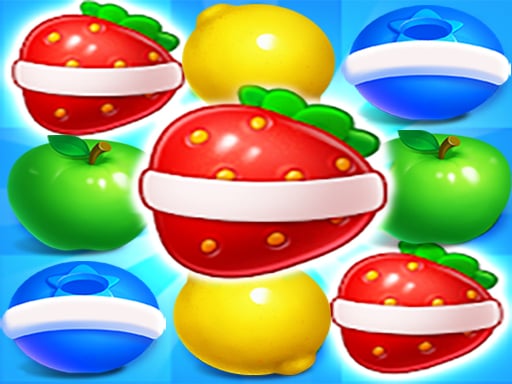
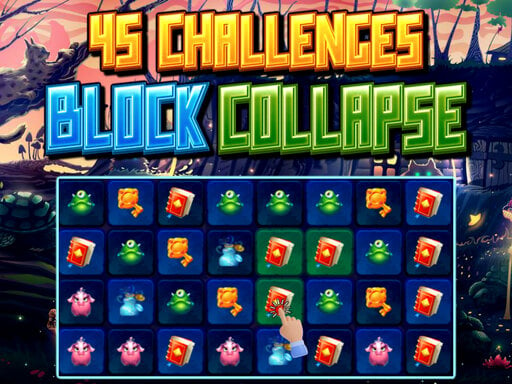
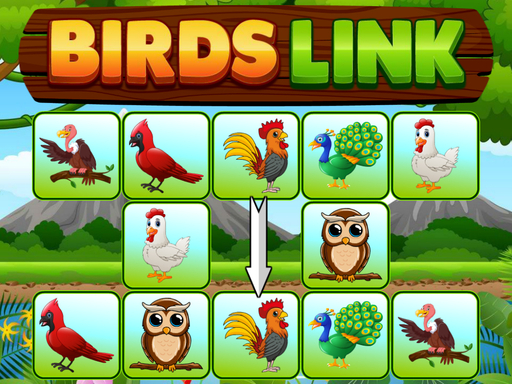
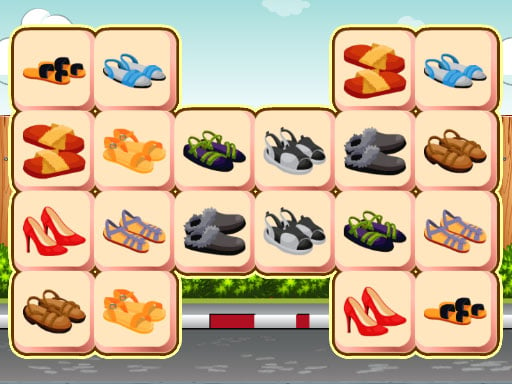
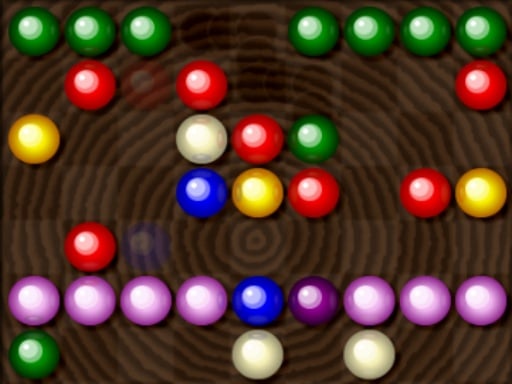
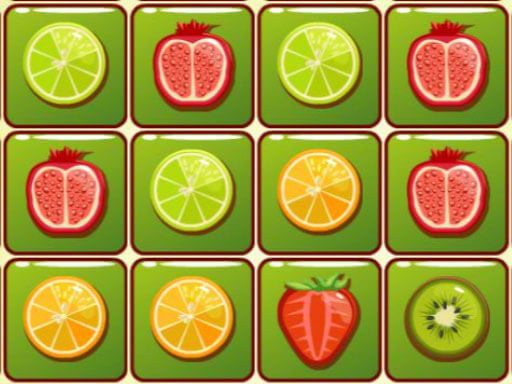
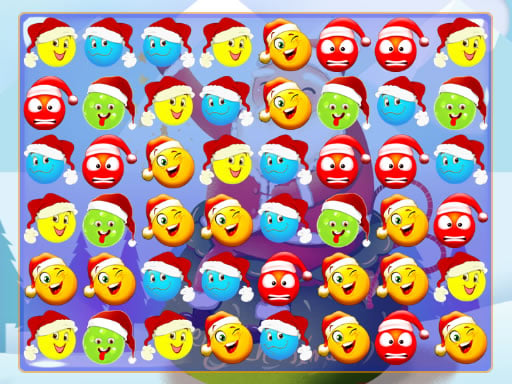
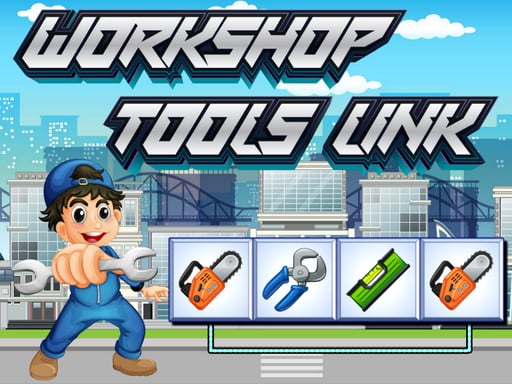
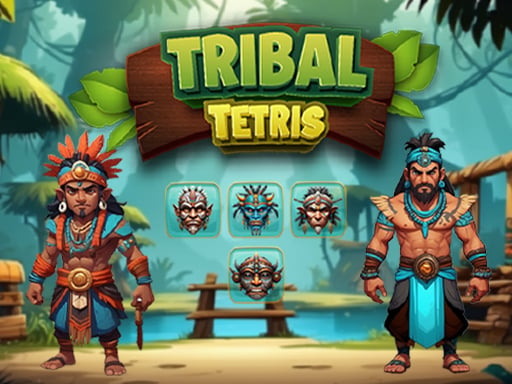
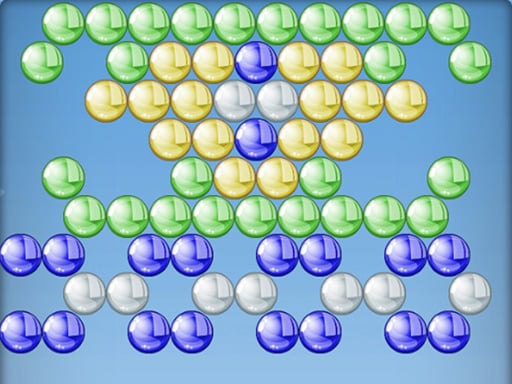
In a Matching game, the player’s main task is usually to compare items and find what belongs together. That can mean matching colors, shapes, symbols, numbers, images, or even more abstract relationships. The appeal comes from the clarity of the objective. There is no need to learn a complex control scheme or memorize a large rulebook. Instead, the challenge grows naturally as more pieces are added, the timer becomes tighter, or the patterns become harder to see.
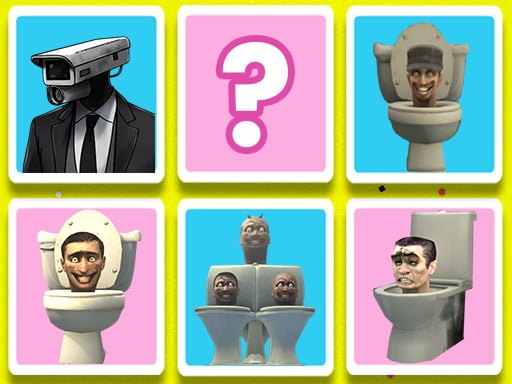
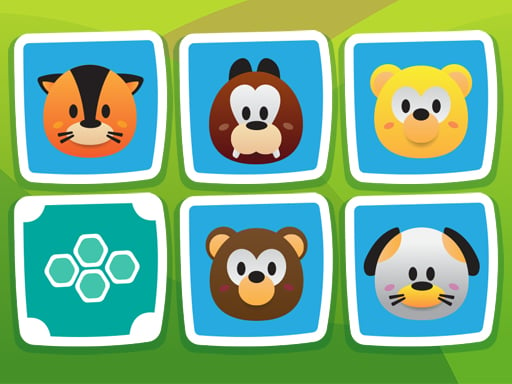
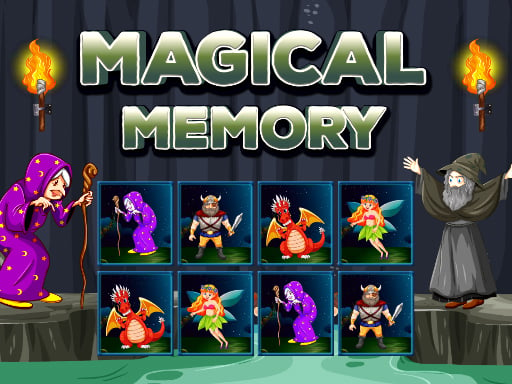
The title also fits well across many types of game experiences. A Matching game can be calm and relaxing, letting players take their time to search for identical tiles or connected cards. It can also be fast and competitive, pushing players to react quickly before an opponent or the clock. Some versions focus on memory, asking players to remember the position of hidden items. Others emphasize logic, where the right match depends on a rule that must be discovered through play. This flexibility makes Matching a strong and adaptable title for casual players and dedicated puzzle fans alike.
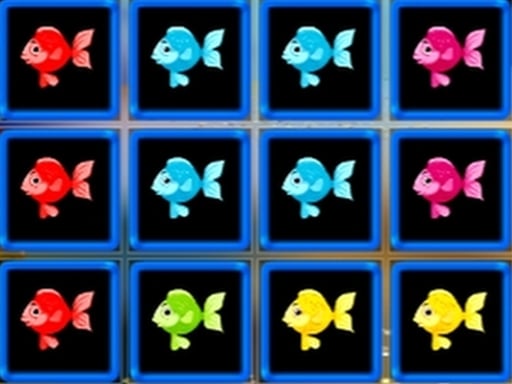
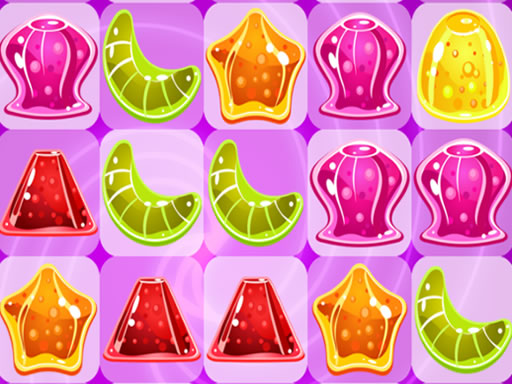
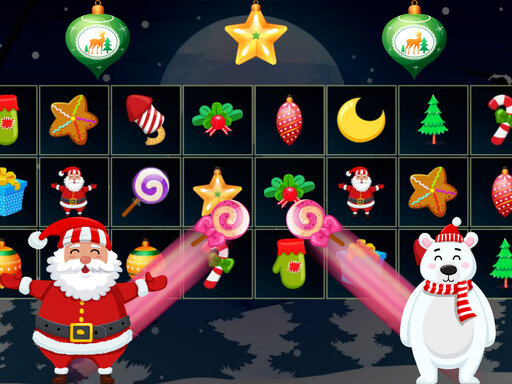
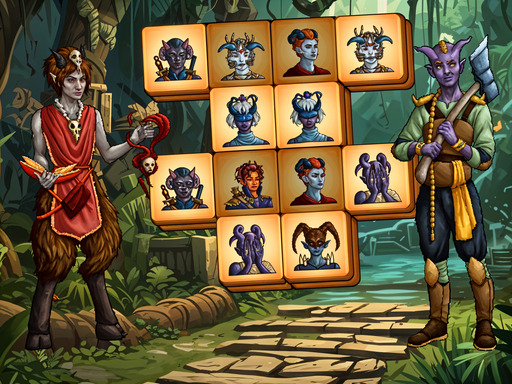
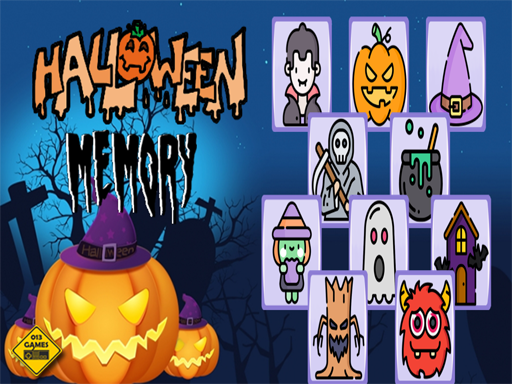
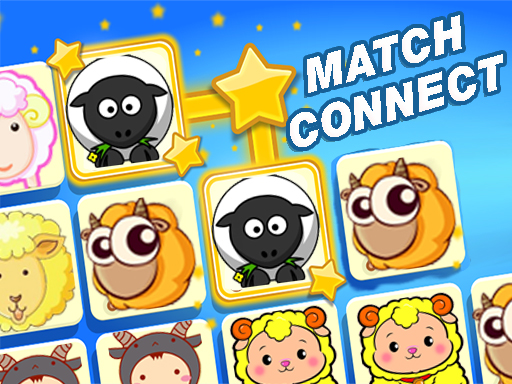
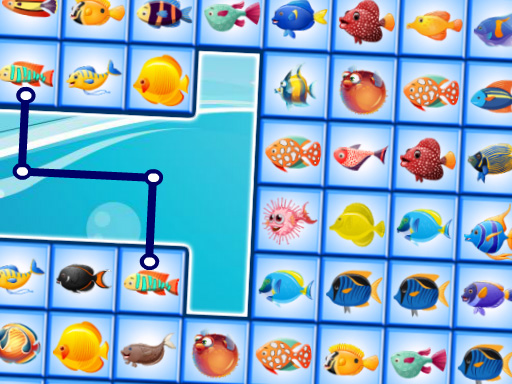
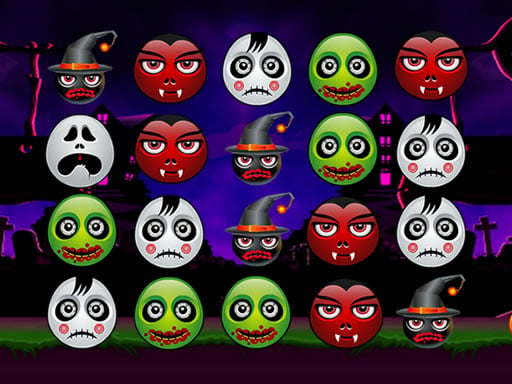
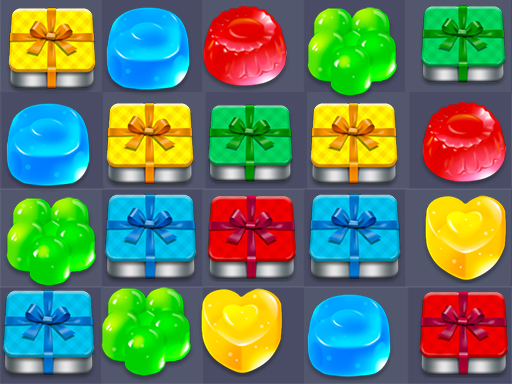
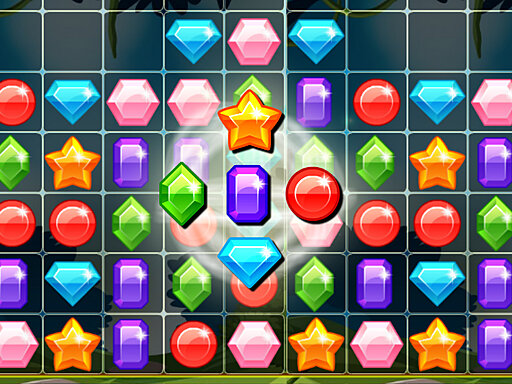
Visually, Matching games often benefit from clean layouts and clear contrasts. Since the player must spot similarities and differences quickly, the interface should feel readable and uncluttered. Strong icon design, organized grids, and distinct color choices help support the gameplay. When built well, the presentation becomes part of the challenge in a satisfying way, because the player is constantly scanning the board, comparing details, and deciding where to act next.
What makes Matching especially engaging is the feedback loop. Each correct match gives a sense of progress, and each mistake encourages sharper attention on the next attempt. That creates a rhythm that is easy to understand and rewarding to repeat. It is the kind of game structure that works across short sessions, making it ideal for quick play breaks while still leaving room for mastery over time.
Matching can also carry a sense of discovery. As levels evolve, players may encounter new rules, hidden mechanics, or unexpected variations that keep the experience fresh. A basic idea can become surprisingly deep when paired with thoughtful pacing, increasing difficulty, and smart visual design. Whether the setting is playful, educational, or abstract, the word Matching suggests a game that is accessible on the surface but still offers room for strategy, concentration, and skill.
In the end, Matching is a timeless game concept because it taps into a universal human instinct: finding order, recognizing connections, and solving small visual problems in a satisfying way. That makes it a strong title for a game built around focus, memory, and the pleasure of getting things exactly right.
. Tagged Matching Games