1010 Elixir Alchemy
Popular Games
Last Played
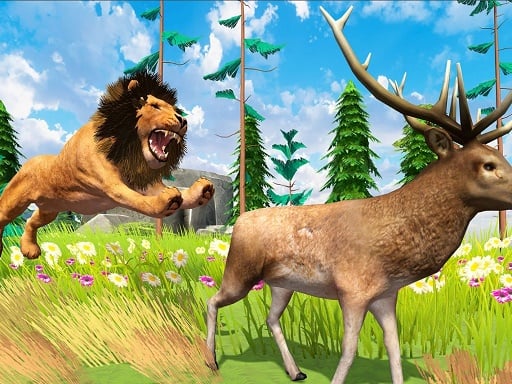
Lions are native mainly to Africa, with a small population historically found in parts of Asia. They live in open grasslands, savannas, and lightly wooded areas where they can move freely and hunt efficiently. Unlike most other big cats, lions are highly social animals. They live in groups called prides, which usually consist of several related females, their cubs, and a small number of adult males. This social structure gives lions a unique advantage in protecting territory, raising young, and coordinating hunts. The pride operates as a family unit, with each member playing an important role in survival.
The male lion is especially famous for its mane, a thick growth of hair that surrounds the head and neck. This feature makes the lion appear larger and more imposing, while also signaling strength and health. Female lions, or lionesses, are typically the primary hunters within the pride. They work together to stalk prey such as zebras, wildebeest, and antelope. Their speed, cooperation, and patience allow them to bring down animals much larger than themselves. Although males do not always hunt as often, they defend the pride’s territory and protect it from rival lions and other threats.
Lion cubs are born blind and helpless, relying completely on their mothers during the early weeks of life. As they grow, they learn by watching and following the adults in the pride. Play is an important part of their development, helping them practice skills such as stalking, pouncing, and wrestling. This early training prepares them for the challenges of adulthood in a landscape where food, water, and safety are never guaranteed. Survival in the wild requires not only physical power, but also cooperation and adaptability.
Beyond biology, the lion has deep symbolic meaning in human culture. It often represents bravery, royalty, and authority. Many nations, sports teams, and organizations use the lion in their logos and emblems to project confidence and prestige. In literature and folklore, the lion is frequently portrayed as a noble guardian or a fearless ruler. This symbolism reflects the animal’s natural dignity and its position at the top of the food chain. Even in places where lions do not live, their image remains familiar and respected.
Today, lions face serious challenges in the wild, including habitat loss, human conflict, and declining prey populations. Conservation efforts are important for protecting their future and preserving the ecosystems they help shape. As apex predators, lions contribute to the balance of nature by influencing prey behavior and maintaining healthy populations of herbivores. Their presence is not only a measure of wilderness, but also a reminder of the need to protect the natural world. The lion remains a living emblem of power, beauty, and resilience.
. Tagged Lion Games