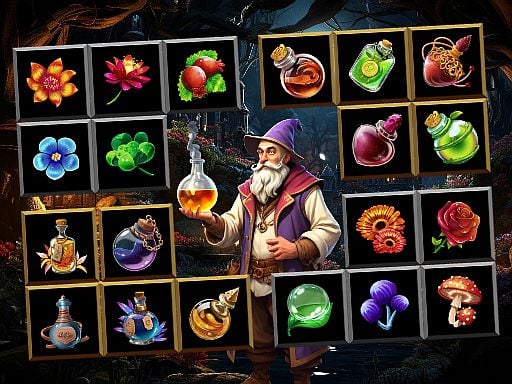
1010 Elixir Alchemy
Popular Games
Last Played
One of the strongest elements of horror is atmosphere. The best horror settings are often dark, quiet, and filled with details that suggest something is wrong before anything even appears. Flickering lights, distant footsteps, strange whispers, and sudden silences all work together to build suspense. Instead of relying only on loud shocks, horror often uses anticipation to create dread. The fear of what might happen is sometimes more powerful than the fear of what is already visible. This slow-building tension is what makes horror so effective and memorable.
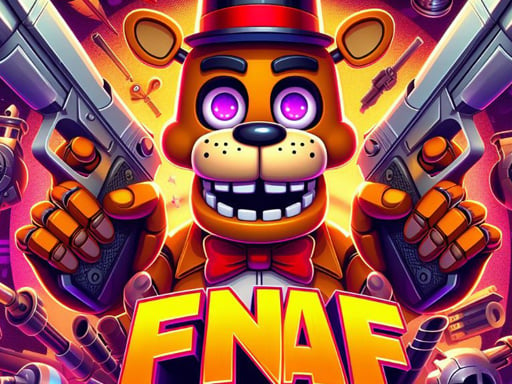
Horror also works because it plays on universal fears. People fear being trapped, hunted, abandoned, or powerless, and horror stories amplify those feelings in creative ways. Some horror focuses on supernatural threats like ghosts, demons, or curses, while other stories rely on psychological terror, making the audience question what is real. There are also horror experiences that blend survival and action, forcing players or characters to manage scarce resources while facing relentless danger. No matter the style, the genre is designed to challenge courage and test emotional strength.
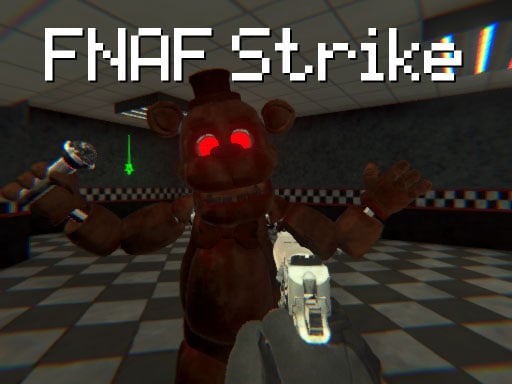
In games, horror becomes especially intense because the player is not just watching events unfold—they are part of them. Every choice matters, every sound seems meaningful, and every corner may hide something terrifying. Limited visibility, scarce ammunition, locked doors, and unpredictable enemies all add pressure. The interactive nature of games makes fear personal, since the player must act even while feeling afraid. This creates a unique kind of immersion that can be more powerful than passive storytelling.
Horror is also deeply connected to imagination. Often, what is hidden is scarier than what is fully shown. Great horror allows the mind to fill in the blanks, and that uncertainty makes the experience more disturbing. A shadow in the hallway, a broken doll, or a radio whispering static can be enough to trigger intense unease. These small details build a larger sense of mystery and danger, reminding audiences that horror is often about suggestion as much as revelation.
Beyond fear, horror can also be meaningful. It can reflect real-life anxieties such as isolation, grief, guilt, loss of control, and the fear of the unknown future. Through monsters and dark worlds, horror often expresses emotional truths in symbolic form. This is part of why the genre remains so popular: it is thrilling, imaginative, and emotionally resonant. Horror scares us, but it also fascinates us, because it pushes us to confront the things we usually avoid. In doing so, it transforms fear into an unforgettable form of entertainment.
. Tagged Horror Games