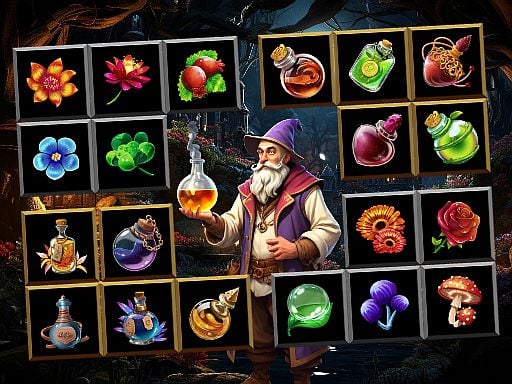
1010 Elixir Alchemy
Popular Games
Last Played
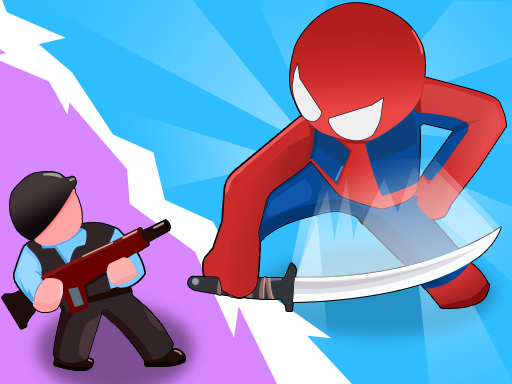
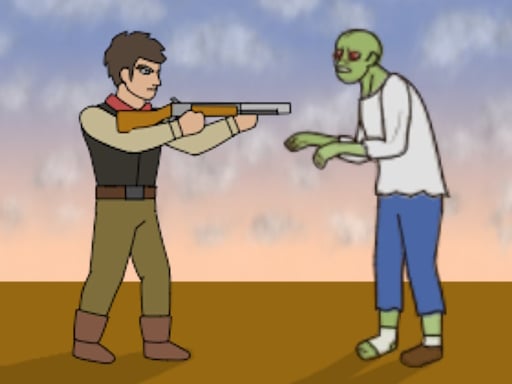
In many games, enemies are more than simple targets. They often represent different challenges that test a player’s skill, timing, strategy, and patience. Some enemies rush forward with brute force, demanding quick reflexes and steady aim. Others wait patiently, striking only when the player makes a mistake. Certain enemies can be defeated through direct combat, while others require observation, clever planning, or the use of special abilities. This variety keeps gameplay fresh and ensures that each encounter feels meaningful instead of repetitive.
Enemies also play a major role in building atmosphere. A dark hallway becomes more frightening when the player knows something dangerous might be waiting at the end. A ruined city feels more alive when hostile patrols move through its streets. Even in colorful or fantasy settings, enemies help establish the rules of the world and reveal what kind of dangers exist within it. Through their design, behavior, and strength, enemies can communicate a game’s tone without a single line of dialogue.
Beyond their mechanics, enemies often reflect deeper themes. They can symbolize fear, corruption, greed, jealousy, or chaos. In some stories, enemies are not entirely evil but are instead misunderstood, manipulated, or driven by survival. This makes conflict more interesting because players may begin to question who the true enemy really is. A well-written enemy can become memorable not only because it is difficult to defeat, but because it has a clear identity and purpose.
Game design also uses enemies to guide progression. Early enemies are usually simple, helping players learn controls and basic tactics. As the game advances, enemy types become more complex, forcing players to adapt and improve. Boss enemies often serve as major milestones, combining power, unique patterns, and dramatic presentation to create unforgettable moments. These encounters reward persistence and make victory feel earned.
Enemies contribute to replay value as well. Different enemy placements, variations, and combinations can completely change how a level feels. When enemies are designed thoughtfully, even familiar environments can become exciting again. Players may return to a game just to master difficult enemy patterns, discover hidden weaknesses, or experience stronger challenges.
Ultimately, enemies are essential because they create conflict, and conflict is what drives most great games forward. They challenge the player, shape the world, and make success feel meaningful. Whether terrifying, cunning, relentless, or symbolic, enemies remain a core part of what makes interactive entertainment engaging and memorable.
. Tagged Enemies Games