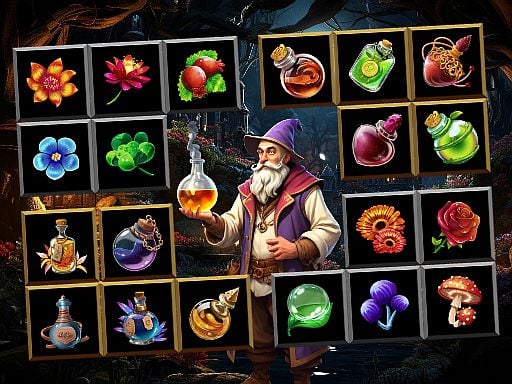
1010 Elixir Alchemy
Popular Games
Last Played
At the heart of educational design is the balance between learning and play. A strong educational experience should teach clearly without feeling heavy or overly formal. It can present questions, puzzles, simulations, quizzes, or guided challenges that encourage curiosity and reward progress. When learners receive immediate feedback, they can quickly understand mistakes, adjust their thinking, and build confidence. This makes the learning process feel more natural and less intimidating, especially for younger audiences or for anyone approaching a new subject.
Educational experiences are also valuable because they support different learning styles. Some people learn best by reading, others by doing, and others by watching patterns unfold in context. Interactive formats can combine text, visuals, sound, and hands-on tasks to reach a wider range of learners. For example, a language activity may use pronunciation drills, vocabulary matching, and sentence-building exercises, while a science activity might use virtual experiments to show how different variables affect outcomes. This variety makes it easier for learners to stay involved and understand concepts from multiple angles.
Another strength of educational design is adaptability. Well-made learning tools can often adjust to a player’s pace, skill level, or interests. Beginners can start with simple concepts and gradually move toward more advanced material, while experienced users can skip ahead or take on harder challenges. This flexibility helps prevent frustration and keeps the experience relevant. It also makes educational content useful in classrooms, at home, and in self-directed study settings, where learners may have different needs and goals.
Educational games and apps can also build broader skills beyond subject knowledge. They often improve focus, memory, pattern recognition, logic, decision-making, and persistence. In many cases, they encourage collaboration as well, allowing students to work together, compare answers, or discuss strategies. These social and cognitive benefits can be just as important as the core lesson itself, especially when the goal is to help learners develop habits that support long-term growth.
When educational content is designed well, it creates a positive connection with learning. Instead of feeling like a chore, the experience becomes something a person wants to return to. That sense of progress can motivate learners to keep going, ask questions, and explore further. Whether used for formal instruction or informal enrichment, educational experiences can transform difficult topics into manageable steps and make learning feel more active, practical, and rewarding.
. Tagged Educational Games