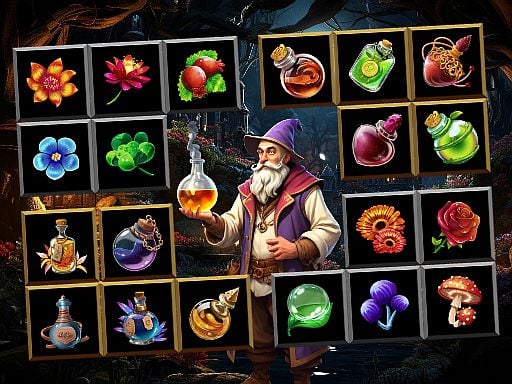
1010 Elixir Alchemy
Popular Games
Last Played
At its core, coloring is about transformation. A plain sketch becomes expressive when a bright red fills a flower petal, a deep blue shapes a night sky, or a careful gradient gives depth to a character’s clothing. Small decisions matter. The difference between a soft pastel palette and a bold, saturated one can completely change the feeling of an image. Some people color to match reality, while others use it to create imaginative scenes that would never exist in nature. That freedom makes coloring both relaxing and surprisingly personal.
Coloring is also an activity that rewards concentration without demanding pressure. There is no need to rush toward a complex solution or master a difficult rule set. Instead, the process unfolds in steady steps. Choose a color, fill a section, adjust the next choice, and gradually watch the picture take shape. This rhythm can be soothing, especially in a busy day. It creates a small, structured space where the mind can settle while the hands stay active.
For many people, coloring is connected to memory and routine. It may recall childhood moments at a kitchen table, a stack of crayons, or the satisfaction of finishing a picture. But coloring is not only for children. Adults often return to it because it combines creativity with low-stakes engagement. It can be done alone or shared with others, making it useful in homes, classrooms, waiting rooms, and group settings. The activity naturally invites conversation, comparison, and quiet collaboration.
Another strength of coloring is its flexibility. It can be used for decorative art, themed books, educational material, or digital creative tools. Some pages are designed with intricate patterns and fine detail, offering hours of careful work. Others are simple and open, allowing quick results and playful expression. The medium can also change the experience: pencils feel precise, markers feel vivid, crayons feel familiar, and digital tools add undo options, layering, and endless color palettes. Each approach gives coloring a different character while preserving its central appeal.
What makes coloring enduring is that it sits at the intersection of structure and imagination. The lines provide a framework, but the colors define the mood. That balance makes it easy to start and satisfying to finish. Whether someone is coloring a detailed illustration, a simple shape, or an entire themed scene, the process invites calm attention and creative ownership. It is a modest activity on the surface, but one that can deliver a strong sense of completion, expression, and quiet enjoyment.
. Tagged Coloring Games