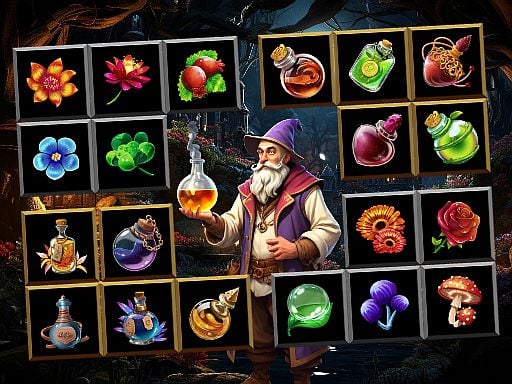
1010 Elixir Alchemy
Popular Games
Last Played
What defines a casual game is not just simplicity, but accessibility. These games are designed so that almost anyone can understand the basics within moments. Taps, swipes, clicks, and a small number of intuitive actions are often enough to get started. Instead of overwhelming the player with systems to memorize, casual games usually introduce one idea at a time and let the experience unfold in a gentle, manageable way.
The appeal of casual games also comes from their flexibility. They can be enjoyed in very short bursts or in longer stretches, depending on the player’s mood and schedule. There is no requirement to dedicate an hour or commit to a deep storyline before having fun. A player can open the game, enjoy a round or two, and leave feeling entertained rather than exhausted. That low-pressure structure is one reason casual games remain so popular across mobile devices, browsers, tablets, and lightweight desktop platforms.
Many casual games use bright visuals, friendly interfaces, and satisfying audio to create a welcoming atmosphere. The presentation often feels clean and approachable, with clear buttons, readable text, and colorful feedback that rewards every successful move. Progress is usually easy to track, and the pace is tuned so that players feel a steady sense of accomplishment. Even when a game includes challenge, it tends to be framed in a way that encourages relaxation and repeat attempts rather than frustration.
Casual games come in many forms. Some are puzzle-based, asking players to match tiles, solve patterns, or clear boards. Others involve simulation, arcade action, word play, hidden objects, or simple strategy. Despite their differences, they share a common goal: to be easy to pick up and enjoyable to return to. That variety helps casual games appeal to a wide audience, from experienced players looking for a break to newcomers who prefer something uncomplicated and inviting.
Another strength of casual games is their repeatable nature. Because the mechanics are often straightforward, players can improve over time without needing to study a manual or memorize elaborate rules. This creates a satisfying loop of learning, playing, and refining small decisions. The result is a style of game that feels rewarding while staying light and approachable. Casual games succeed by making fun feel effortless, turning simple interactions into moments of relaxation, focus, and enjoyment.
. Tagged Casual Games