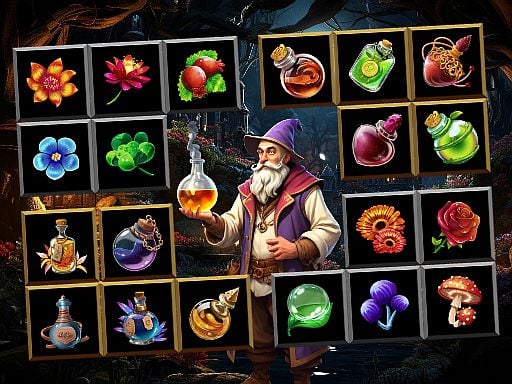
1010 Elixir Alchemy
Popular Games
Last Played
The heart of the arcade experience is immediacy. Arcade games are designed to be easy to understand and hard to master. In just a few seconds, a player can learn the basic rules, but real progress comes from practice, timing, and precision. That structure makes arcade games addictive in the best sense of the word. Each session feels short enough for one more try, yet challenging enough to keep players coming back. Whether the game is about shooting, racing, jumping, dodging, or stacking points, the objective is usually clear and the action never slows down.
Arcade also carries a strong sense of atmosphere. The classic arcade environment is built on movement and sound. Machines glow in rows, screens attract attention from across the room, and every cabinet seems to promise a different kind of challenge. The mix of electronic music, button presses, coin drops, and crowd reactions creates a lively background that makes playing feel more exciting than doing it alone at home. Even in modern digital versions of arcade games, developers often try to preserve that same fast-paced intensity and visual punch so the experience still feels energetic and direct.
Another reason arcade remains such a powerful title is its connection to nostalgia. For many players, the word recalls childhood afternoons, weekends spent with friends, and the thrill of seeing initials on a high-score list. Arcade culture is tied to memorable first victories, frustrating losses, and the determination to try again. It is also a shared culture, where players compare scores, trade tips, and compete side by side. That social element gave arcade games a special identity long before online multiplayer became common, and it still gives the genre a distinct personality today.
At the same time, arcade is not limited to the past. Modern games continue to borrow arcade design principles because they work so well. Short sessions, responsive controls, escalating difficulty, and score-based progression remain effective tools for building excitement. Many contemporary titles use arcade structure to deliver straightforward fun without unnecessary complexity. This makes arcade a timeless concept: accessible to beginners, rewarding for experts, and flexible enough to survive across generations of hardware and player habits.
Ultimately, arcade stands for fast fun, sharp competition, and the joy of repeated challenge. It is a title that captures motion, color, and energy in a single word. Whether used to describe a physical game hall or a game inspired by classic design, arcade suggests entertainment that is vivid, active, and unforgettable. It is about playing for the moment, chasing improvement, and enjoying the thrill of the game itself.
. Tagged Arcade Games